Be yourself; Everyone else is already taken.
— Oscar Wilde.
This is the first post on my new blog. I’m just getting this new blog going, so stay tuned for more. Subscribe below to get notified when I post new updates.
Be yourself; Everyone else is already taken.
— Oscar Wilde.
This is the first post on my new blog. I’m just getting this new blog going, so stay tuned for more. Subscribe below to get notified when I post new updates.
Polarised glasses are on a popular grid for quite a long while now. Lauding its many benefits and comfort features including sun protection, glare reduction and improved, people widely buy polarised sunglasses for various practical situations of day to day lives like fashion wear, sports and activities, diving, driving and sunny beach times. Though polarised sunglasses are specially designed eyewear to tackle the special situation, people buy polarised sunglasses for casual use as well. Shopping for a decent pair of polarised sunglasses is not just a cool handy option to deal with special but also a great investment considering its positive features.

However, when you buy polarised sunglasses there are certain factors you give a close check before making your final purchase. The level of UV protection, the kind of frame, cost, brand and comfort level are some of the key points that help you with your purchase decisions.
To help you buy polarised sunglasses better, here is an easy 4 point checklist you consider before your next purchase.
Polarised glasses are specially designed eyewear that has the potential to tackle various rough and tough situations. However, the prime purpose of these cool categories of hades is to protect your eyes from harmful UV rays.
Different brands are offering high quality polarised sunglasses with top-grade UV protection features but not all of them are of the same quality. A great pair of polarised sunglasses should effectively protect your eyes from the harmful UV rays of the sun. So, when you shop for polarised sunglasses, make sure it has 100% UV protection. Considering the effectiveness, the best level of UV protection range is 400 which offer 100%optimal UVA and UVB ray protection. Make sure to check that label when you shop your polarised shades and if it doesn’t have 100UV protection highlighted it’s wise to look for better options that offer UV 400 level protection for your eyes.
There is a common misconception about polarised sunglasses being more expensive than usual with all their special features burning holes in normal pockets. Well, this is not completely true as the cost of polarised sunglasses depends on various factors like type, size, lenses materials, frames, brands and lens coats.
Some of the special purpose ones like those used in sports or construction worksites might look slightly priced than usual but considering its features and the optimal eye protection it offers it is worth every penny.
Another major consideration that you need to weigh before your final purchase decision is the ‘brand factor’. Not all brands enjoy the same level of popularity among the consumers; there might some which are more loved than others. The reason for their popularity can be from the trust of their loyal customers, the years of their business experience in the field, the quality range of products they offer, durability and efficiency of their eye wears which establishes themselves as the most preferred brand among the shoppers.

Going by brand alone would be a smart choice but the brand factor is a key consideration to check if you’re looking to invest in a long-lasting effective pair of polarised sunglasses. As an assurance of guaranteed quality and durability from trusted business in the field for years will make you feel good and confident about investing in your desired pair of polarised sunglasses.
Talking about frames and styles, there are a myriad amount of options online and offline for the buyers. Before making any final move, rather than just going with the trend, it is wise to consider the kind of frame and style that will suit your face to make your eyewear stay longer.
Go for a versatile style that will not only make you look better but makes a timeless style statement
Polarised sunglasses are the best options for people who are constantly exposed or are involved in environs like sunlight; fishing, driving-where the eyes are continuously squinted with harsh glares. This specialised eyewear can help in improving your visions under harsh glary conditions and have the ability to reflect light from surfaces including snow, road and water.
When you use polarised sunglasses make sure to invest in a product that stays longer with you. Hopefully, these handy purchases can help you make smarter choices. Polarised sunglasses are used both casually and for special purposes, if you’re buying polarised sunglasses for your work situation or any other special situations to protect your eyes, make sure to take reference from licensed ophthalmologists or opticians who can help, before making your purchase.
Presented By: Buy Polarised Sunglasses
Polarised or non-polarised, sunglasses are indispensable in day-to-day life. Polarised sunglasses have many perks as compared to non-polarised sunglasses that make them worth buying. Some sunglasses should be worn while doing outdoor activities to shield your eyes from the harmful sunlight. But, there are specific cases and conditions where it is crucial to know when to buy polarised sunglasses.
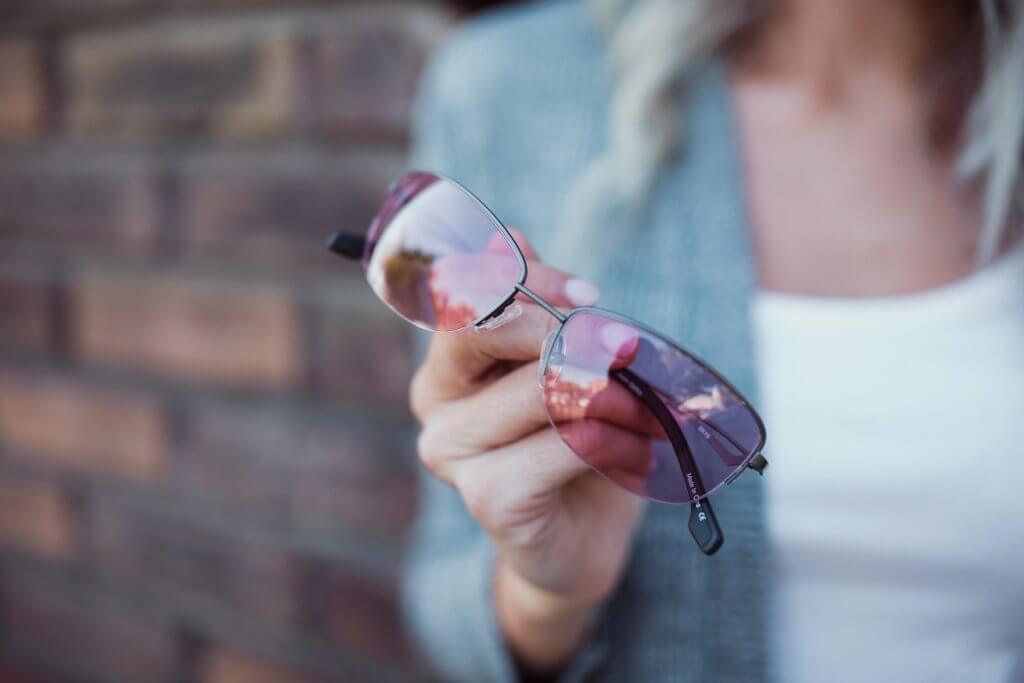
What is polarisation? First, we have to understand what is light. Light travels in the form of waves, and light waves that vibrate in different planes are mentioned as unpolarised light. Polarised light waves have vibrations only through one plane. The light waves travel in both horizontal and vertical directions.
Horizontal light is more tricky because it sets up unwanted and potentially unsafe glare by bumping off of various surfaces. While talking about polarised and unpolarised sunglasses, this is a major distinction. Polarised glasses transform these light waves, and hand out a less disturbing light wave. Non-polarised glasses don’t filter light waves in this way, so the glare is much more evident.
Polarised VS non-polarised sunglasses develop an intriguing debate on how they function and which is better suitable for various conditions. In terms of the polarised lens VS non, both still often safeguard against both kinds of UV light (UVA and UVB) in extension to bright sunlight. However, there are two major differences between polarised and non-polarised sunglasses.
The capability to get rid of glare is completely different for polarised sunglasses compared to non-polarised sunglasses. That’s because polarised sunglasses are precisely engineered to cut glare and assure you can see distinctly even in the direct sun. This glare from the sunlight can be irritating and even unhealthy in some situations. Thus, buy polarised sunglasses to wipe out the glare that obstructs with your vision.
You will recognise a clearer view while you are under direct sunlight wearing polarised sunglasses as compared to non-polarised sunglasses. By reducing the glare, the polarised sunglasses will help you see better outside.

Polarised lenses can be very helpful during drives on sunny days, specifically when sunlight strikes at just the right angle to obstruct your vision. Polarised sunglasses filter the sunlight that reflects off the windshields, subduing most or all of it. As a result, you can experience a safer driving, free from the interruption and annoyance of glare.
Although polarised sunglasses will stop the annoyance caused by protracted sources of light, they function the same as non-polarised lenses when it gets to filtering out unsafe UV light. If your habits usually take you outdoors, both polarised and non-polarised sunglasses will hand out your necessary UV protection. If you require the extra proficiency to see colours or contours precisely, buy polarised sunglasses.
Keep in mind that polarised sunglasses don’t work as well as non-polarised lenses when it comes to reading a digital screen. Moreover, polarised lenses make it tougher to recognise glossy patches of ice for those out walking, skiing, or driving on snowfall, even if they do cut overall glare.
Polarised sunglasses can significantly lower eye strain, oust reflection, and revamp performance in situations where the level of sunlight is high. If situations are quite cloudy or overcast, a normal pair of non-polarised sunglasses should be enough to give your eyes that essential UV protection.
Presented By: Buy Polarised Sunglasses
Polarised sunglasses have special chemical coated lenses that are designed to reduce glare. The glare from sunlight is reflected off from flat surfaces and strikes your eyes and makes your view distorted.

Polarised sunglasses can take both fashion and the well-being of your eyes to a whole new standard. Apart from the typical sunglasses that offer 100% UV protection, polarised sunglasses absorb horizontal lights using special chemical coating and facilitate you to see clearly and without any uneasiness.
When using sunglasses without polarisation, the lenses only cut the light that passes through the lens both vertically and horizontally. If you use polarised lenses, though, the lenses absorb horizontal light waves, while still permitting the vertical waves to pass through. The light waves only travel in a particular direction through polarised glasses which then get rids of glare.
If you are a normal person who loves a nice run or a long walk, it is better to use a .75 mm polarised lens. These polarised lenses are produced from thin layers of film and are excellent for everyday activities. This is the best choice when you are not bothered about impact resistance.
Are you ready to spend a few extra dollars? Then you can choose the 1.1 mm polarised sunglass lens. The 1.1mm polarised lens has a thicker layer of sheets which offer more impact resistance compared to .75mm lens. These polarised sunglasses don’t actually give better glare reduction or higher polarisation, just a greater price tag.

Earlier, fishermen were the only users of polarised sunglasses. But nowadays, the perks of polarisation have been taken up by many outdoor activity enthusiasts. If you are a water-sport professional, golf player, or runner – you can use sunglasses with polarised lenses. We guarantee that it will make your outdoor activity even more delightful.
Polarised sunglasses are available at various retail points, from your regional drug shop to high-end sunglass shop. If you are purchasing these glare-blocking sunglasses to improve your eye health, make sure you are picking up something worth. Always consult with a specialist to assure that you get exact advice about your eyewear. Also, depending on the stress and discomfort you are experiencing with sunlight, there may be some other factors that your eye specialist should know about.
Consult with an experienced eye care expert as soon as possible if you have queries about how polarised lenses function and if they are suitable for you.
Presented By: Polarised Sunglasses
Over these years polarised sunglasses has been one of our best companions. The main reason behind this is the many benefits it has. With the many benefits of polarised sunglasses, some false myths are also being spread across. Let us check and analyse the false myths spreading about polarised sunglasses:

There is no guarantee that pricier polarised sunglasses are of top quality. Sometimes even a lesser price polarised sunglasses offer better protection and quality. Many of the expensive polarised sunglasses are not meeting industrial standards for UV protection.
This is one of the popular false myths spreading about polarised sunglasses. But no studies have yet found that polarised sunglasses will expire, or there is an expiry date for these sunglasses. By time due to wear & tear, some kinds of damage can occur, but there is no expiry date like in food products or cosmetics. And with the coming of the latest sunglass collections, we will go behind that.
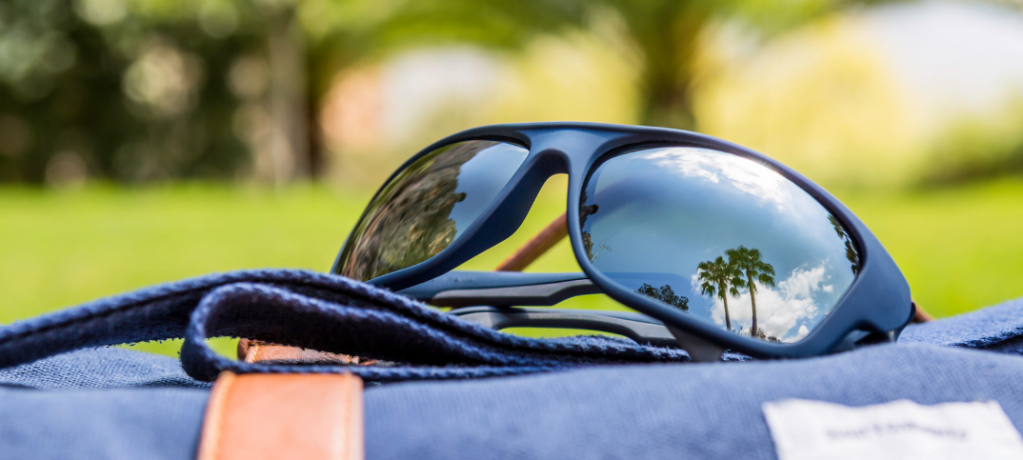
Mainly polarised sunglasses are available in .75 mm and 1.1 mm thickness lenses. But that doesn’t matter for polarisation aspect. The impact of resistance can be greater for thicker lenses. The polarisation filter will be the same on both sizes.
Polarised Sunglasses are in a wide range of shades, where each is having its advantage. Darker shaded sunglasses won’t necessarily provide UV protection. Sunglasses tint is for comfort, rather than safety. People with sensitive eyes can opt for darker lenses.
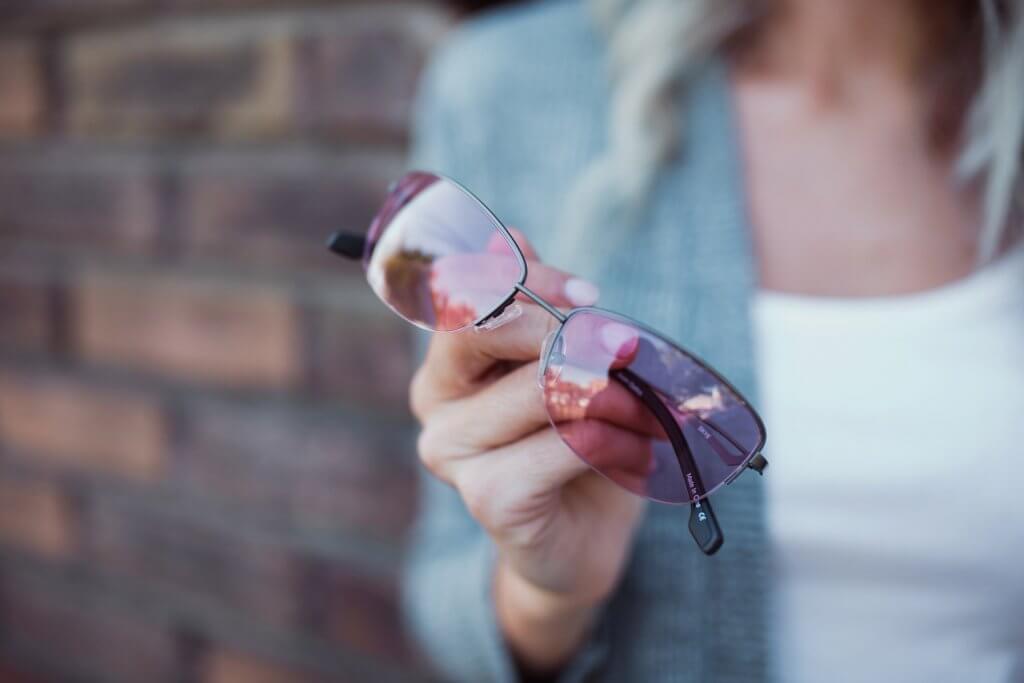
Before believing all those myths about polarised sunglasses, confirm whether it’s true or not. Polarised sunglasses can help you in many ways, especially people going to sea/ underwater.
What are you waiting for??? Get your pair of polarised sunglasses from the nearest outlet…!!!
Presented By: Polarised Sunglasses
This is an example post, originally published as part of Blogging University. Enroll in one of our ten programs, and start your blog right.
You’re going to publish a post today. Don’t worry about how your blog looks. Don’t worry if you haven’t given it a name yet, or you’re feeling overwhelmed. Just click the “New Post” button, and tell us why you’re here.
Why do this?
The post can be short or long, a personal intro to your life or a bloggy mission statement, a manifesto for the future or a simple outline of your the types of things you hope to publish.
To help you get started, here are a few questions:
You’re not locked into any of this; one of the wonderful things about blogs is how they constantly evolve as we learn, grow, and interact with one another — but it’s good to know where and why you started, and articulating your goals may just give you a few other post ideas.
Can’t think how to get started? Just write the first thing that pops into your head. Anne Lamott, author of a book on writing we love, says that you need to give yourself permission to write a “crappy first draft”. Anne makes a great point — just start writing, and worry about editing it later.
When you’re ready to publish, give your post three to five tags that describe your blog’s focus — writing, photography, fiction, parenting, food, cars, movies, sports, whatever. These tags will help others who care about your topics find you in the Reader. Make sure one of the tags is “zerotohero,” so other new bloggers can find you, too.

 Ugly Fish Eyewear